Key Takeaways
- Brave Search is an independent, privacy-focused search engine built on its own web index.
- It adds AI features, including an AI answer/summarizer that responds to queries directly.
- It does not track users or profile them, and is free to use.
- A strong private alternative for everyday search; its index is smaller than Google’s.
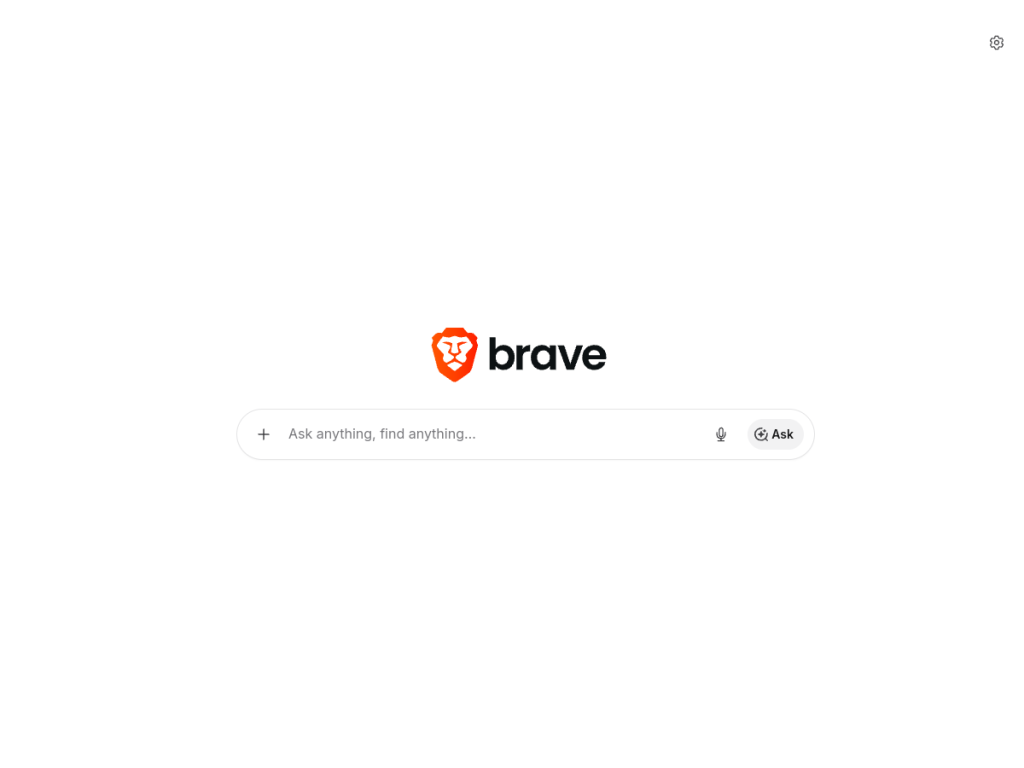
Brave Search is the search engine from the makers of the Brave browser, built around independence and privacy. Unlike many alternatives that quietly rely on Bing or Google, Brave runs on its own web index, and it layers AI on top — summarizing results and answering questions directly — all without tracking who you are or what you search for.
What is Brave Search AI?
Brave Search is a private, independent search engine that answers queries from its own index of the web rather than reselling another company’s results. Its AI capabilities generate direct answers and summaries for many queries, condensing information so you spend less time clicking through links, while still surfacing sources. The defining principle is privacy: Brave Search does not track users, build profiles, or shape results around advertising. It is free to use in any browser, and for developers and businesses, Brave offers a separate Search API with usage-based pricing to power their own products with independent, privacy-respecting results.
What it does well
- Independent index: real results from Brave’s own crawl, not a Google or Bing reseller.
- AI answers: summarized, direct responses to many queries.
- Privacy by design: no user tracking or profiling.
- Free and open: usable in any browser, with a developer API available.
Who it is for
Brave Search suits privacy-conscious users who want an alternative to mainstream engines without sacrificing usable results, and developers who need an independent search API for their own apps. It is a natural fit for Brave browser users but works anywhere. People who depend on the very largest index, niche vertical results, or advanced search operators may still turn to Google at times, but for private everyday search, Brave is a compelling default.
Things to keep in mind
- Its index, while independent and growing, is smaller than Google’s.
- As with any AI summary, verify important facts against the cited sources.
- The developer API is a separate paid product from the free consumer search.
Our verdict
Brave Search is one of the best private search options available precisely because it is genuinely independent — real results from its own index, plus AI summaries, with no tracking. It will not always match Google’s sheer breadth, and AI answers deserve the usual fact-check, but for anyone who wants to search without being profiled, it is a capable, free, and principled choice. The API makes it appealing to developers building privacy-respecting products, too.
Frequently asked questions
What is Brave Search?
Brave Search is a private, independent search engine from the makers of the Brave browser, built on its own web index with AI answer and summary features, and no user tracking.
Is Brave Search really independent?
Yes. Unlike many alternatives, Brave Search serves results from its own crawl of the web rather than reselling Google’s or Bing’s results.
Is Brave Search free?
Yes, Brave Search is free to use in any browser. A separate Brave Search API is available for developers on paid, usage-based plans.
Does Brave Search track me?
No. Brave Search is designed around privacy and does not track users, build profiles, or shape results around advertising.
Top Brave Search AI alternatives
Other hand-reviewed Search Engines tools worth comparing against Brave Search AI.
Andi SearchFree
Andi Search by Andi (LazyWeb) is a free AI chatbot and research tool for researchers. Our review covers…
GleanPaid
Glean is a paid AI research and search engine tool for researchers. Our review covers what it does,…
KagiPaid
Kagi is a paid AI research and search engine tool for researchers. Our review covers what it does,…
MorphicFree
Morphic is a free AI research and search engine tool for researchers. Our review covers what it does,…
Perplexity AIFreemium
Perplexity AI is a freemium AI chatbot and research tool for researchers. Our review covers what it does,…
Are you the maker of Brave Search AI?
Show visitors this review with the badge below. Copy the code into your site or press kit; it links straight back to this page.