Key Takeaways
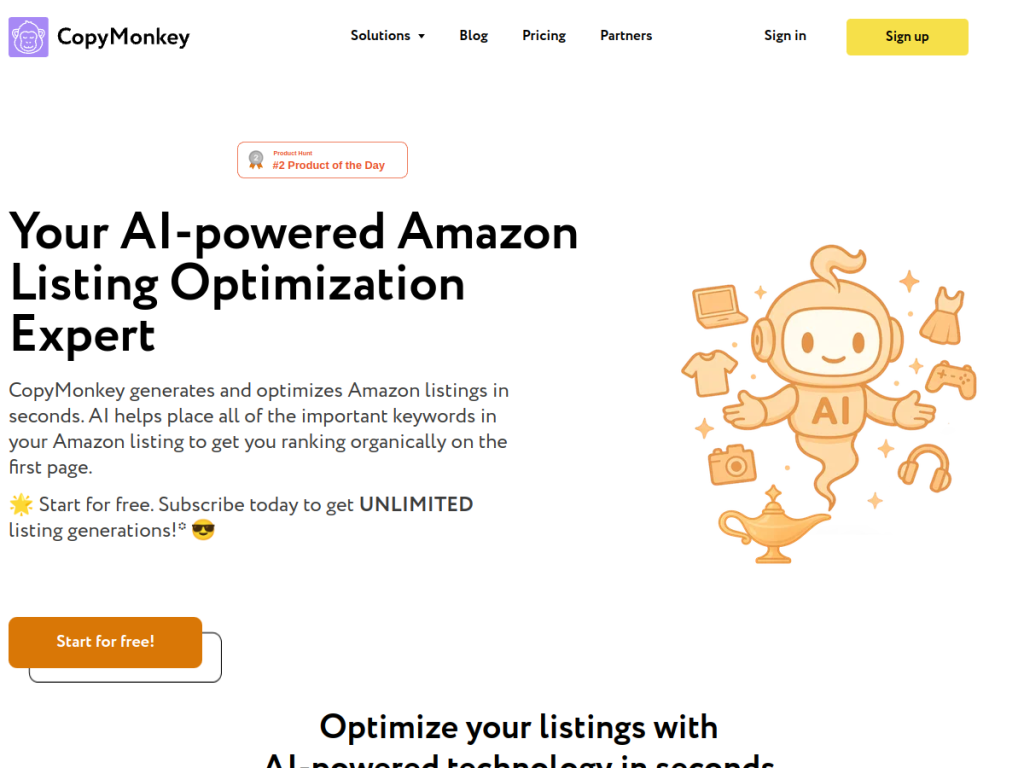
- CopyMonkey generates and optimizes Amazon product listings with AI.
- It writes titles, bullets, and descriptions with keyword placement.
- It targets Amazon SEO — getting listings found and converting.
- Great for Amazon sellers managing many listings.
CopyMonkey is a focused tool for a specific, lucrative problem: writing Amazon product listings that actually rank and convert. It generates titles, bullet points, and descriptions with the important keywords placed where Amazon’s algorithm rewards them — work that is tedious, formulaic, and directly tied to revenue. For sellers managing dozens or hundreds of listings, that specialization beats a general AI writer that knows nothing about Amazon’s quirks.
What is CopyMonkey?
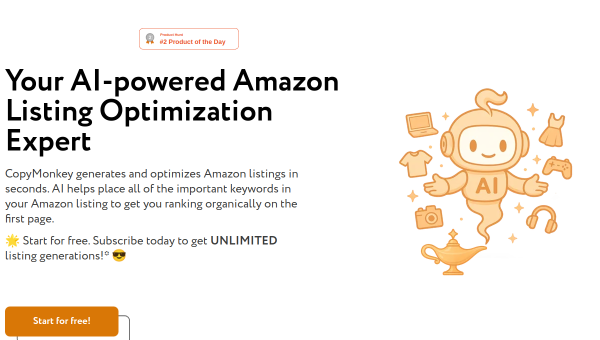
CopyMonkey is an AI tool built specifically for creating and optimizing Amazon product listings. It generates listing copy — titles, bullet points, and product descriptions — with attention to Amazon SEO: placing relevant keywords in the positions that Amazon’s search algorithm weights, so listings are more likely to be found. Its features typically include AI listing generation from product details, keyword research and integration (working from the terms shoppers actually search), listing optimization suggestions for existing products, competitor analysis, support for multiple Amazon marketplaces and languages, and performance-oriented iteration. The tool is deliberately narrow: rather than a general AI writer, it encodes the specific conventions of Amazon listings, which is precisely why it works better than generic copy tools for this job. It has continued active development, adding templates aligned with Amazon’s evolving search and AI shopping features. It targets Amazon sellers, agencies, and brands. CopyMonkey offers a trial with paid plans scaling by listings.
What it does well
- Amazon-specific: encodes real listing conventions.
- Keyword placement: positions terms where the algorithm rewards.
- Scales: useful for sellers with many listings.
- Actively developed: keeps pace with Amazon changes.
Who it is for
CopyMonkey fits Amazon sellers, agencies, and brands managing product listings at any scale — particularly those with many SKUs where writing optimized titles, bullets, and descriptions by hand is a genuine time sink. Its Amazon specialization is exactly why it outperforms general AI writers here. Sellers with a handful of products may write listings themselves, AI copy should always be reviewed for accuracy about your actual product (never let it invent features), and it is a paid tool. But for Amazon listing work at scale, CopyMonkey is a capable, trial-first choice.
Things to keep in mind
- Review AI copy for accuracy — never let it invent product features.
- It is Amazon-specific; other channels need different tools.
- Pricing scales with the number of listings.
Our verdict
CopyMonkey is a well-targeted tool that succeeds by being narrow: rather than a general AI writer, it encodes the specific conventions of Amazon listings — generating titles, bullets, and descriptions with keywords placed where Amazon’s search algorithm actually rewards them, informed by keyword research and competitor analysis. For sellers with many SKUs, that turns a tedious, revenue-critical chore into something manageable, and active development keeps it aligned with Amazon’s changes. Always review the copy for accuracy about your real product, and it is Amazon-only, but for listing optimization, it is a solid choice.
Frequently asked questions
What is CopyMonkey?
CopyMonkey is an AI tool for creating and optimizing Amazon product listings — generating titles, bullets, and descriptions with keyword placement tuned for Amazon SEO.
How does CopyMonkey help with Amazon SEO?
It integrates keyword research and places relevant terms in the positions Amazon’s search algorithm weights, aiming to make listings more findable and higher-converting.
Is CopyMonkey free?
CopyMonkey offers a trial, with paid plans scaling by number of listings.
Who is CopyMonkey for?
It is for Amazon sellers, agencies, and brands — especially those managing many SKUs where writing optimized listings by hand is a major time sink.
Top CopyMonkey alternatives
Other hand-reviewed Social Media tools worth comparing against CopyMonkey.
AdCreative.aiPaid
AdCreative.ai is a paid AI design and marketing tool for marketers. Our review covers what it does, pricing,…
BoomyFreemium
Boomy is a freemium AI audio music and social media tool for musicians and producers. Our review covers…
Brand24Paid
Brand24 is a paid AI marketing and social media tool for marketers. Our review covers what it does,…
Buffer AIFreemium
Buffer AI is a freemium AI marketing and productivity tool for social media managers. Our review covers what…
Canva AIFreemium
Canva AI is a freemium AI design and image generation tool for designers. Our review covers what it…
Captions AIFreemium
Captions AI is a freemium AI avatars and social media tool for video creators. Our review covers what…
Are you the maker of CopyMonkey?
Show visitors this review with the badge below. Copy the code into your site or press kit; it links straight back to this page.