Key takeaways
- Duolingo is the world’s most popular language-learning app, using gamification and bite-sized, science-based lessons.
- Duolingo Max is its premium AI tier, adding features like Video Call conversation practice and Explain My Answer.
- The AI lets learners practise realistic conversations and get explanations, addressing the gap in speaking practice.
- Great for building habits and foundations; AI practice supplements but does not fully replace real human interaction.
What Duolingo is
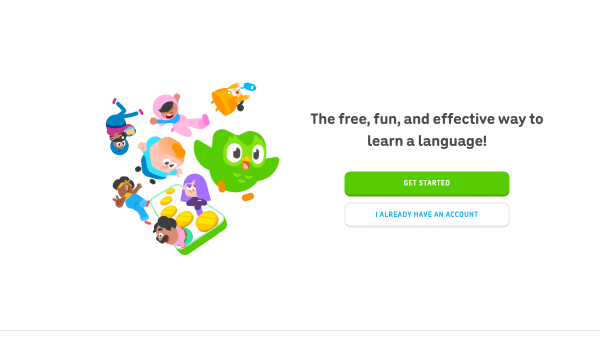
Duolingo is the most popular language-learning platform in the world, famous for making learning feel like a game. Its approach is bite-sized, science-based lessons wrapped in streaks, points, leagues and its persistent owl mascot — mechanics designed to build a daily learning habit, which is often the hardest part of learning a language. It covers reading, writing, listening and speaking across many languages, is free to use (ad-supported) with paid tiers, and reaches an enormous global audience.
Its genius is motivation and accessibility. By lowering the barrier to starting and returning every day, Duolingo gets millions of people to practise consistently, and consistency is what language learning requires. The newer AI layer, Duolingo Max, extends this with capabilities that address one of the app’s historic weaknesses — realistic practice.
The AI features
Duolingo Max is the premium tier that adds AI-powered features on top of the standard app. These include conversational practice — such as AI Video Call, where learners can have a realistic spoken conversation with an AI character — and Explain My Answer, which gives AI-generated explanations of why an answer was right or wrong. These tackle real gaps: traditional Duolingo was strong on vocabulary and drills but weaker on open-ended conversation and on explaining the “why” behind grammar.
The AI conversation practice is genuinely useful for building speaking confidence in a low-pressure setting, and the explanations deepen understanding beyond rote answers. That said, AI language practice has limits: it may not catch every nuance, can occasionally produce imperfect language, and cannot fully replicate the richness of conversing with a native speaker. Treat it as excellent supplementary practice within Duolingo’s habit-building framework, not a complete substitute for real human interaction and immersion.
Strengths and limits
The strengths are motivation, accessibility and now AI-powered practice. Duolingo excels at getting people to learn consistently, and Duolingo Max’s conversation practice and explanations meaningfully strengthen the areas the app was weakest in. The free tier makes starting effortless.
The limits: gamification builds habits but can emphasise streaks over deep mastery, and even with AI, the app is best for foundations and practice rather than achieving true fluency alone. Duolingo Max is a paid upgrade, and AI conversation, while helpful, is not a full replacement for human interaction. Used realistically — as a superb habit-builder plus AI practice — it is a strong tool.
Who it suits
- Language learners who want a fun, habit-building app to practise daily.
- Learners who want AI conversation practice and answer explanations (Max).
- Beginners and intermediate learners building foundations and consistency.
Verdict
Duolingo is the best-known language-learning app for good reason: it makes daily practice genuinely engaging and accessible, and consistency is what language learning demands. Duolingo Max’s AI features — conversation practice and answer explanations — strengthen its historic weak spots, adding realistic speaking practice and deeper understanding. AI practice supplements rather than replaces real human interaction, and the app is better for foundations than sole-source fluency. But as a motivating, increasingly AI-powered way to learn a language, Duolingo remains excellent.
Top Duolingo Max alternatives
Other hand-reviewed Translation tools worth comparing against Duolingo Max.
DeepLFreemium
DeepL is a freemium AI business and translation tool for writers and marketers. Our review covers what it…
FluentCFreemium
FluentC is a freemium AI translation and writing assistant tool for writers and marketers. Our review covers what…
Google Translate AIFree
Google Translate AI is a free AI business and education tool for students and educators. Our review covers…
Mate TranslateFreemium
Mate Translate is a freemium AI translation and writing assistant tool for writers and marketers. Our review covers…
PhrasePaid
Phrase is a paid AI business and developer tool tool for business teams. Our review covers what it…
QuillBotFreemium
QuillBot is a freemium AI education and translation tool for writers and marketers. Our review covers what it…
Are you the maker of Duolingo Max?
Show visitors this review with the badge below. Copy the code into your site or press kit; it links straight back to this page.