Curated by real people who actually test AI tools.
Paid

SciSpace

An honest SciSpace review: features, pricing, pros and cons, and who this research tool is best for.

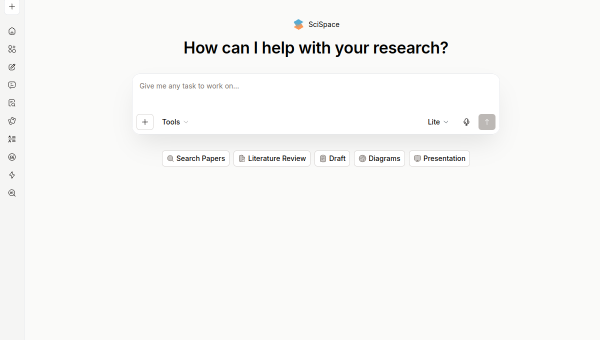
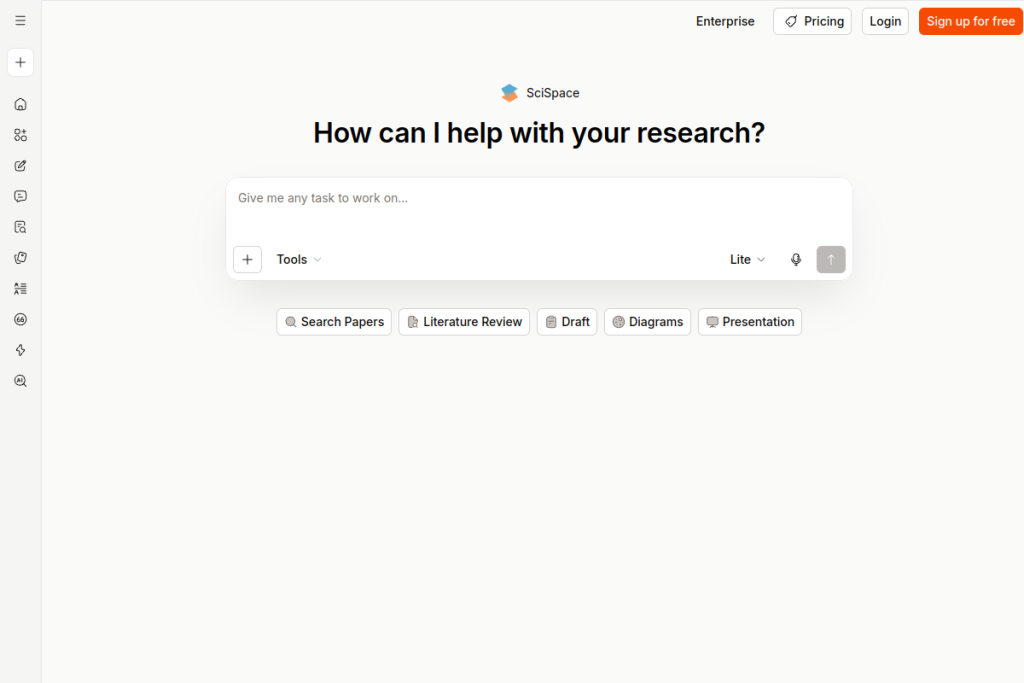
SciSpace logo and screenshot
SciSpace

This is a practical SciSpace review. Instead of repeating marketing claims, we look at how SciSpace performs as part of a normal Research workflow, what it does well, where it falls short, and who should actually use it.

What Is SciSpace?

SciSpace is a Paid research tool built around a focused set of features. It runs on Web, macOS, API, so most teams can adopt it without abandoning the tools they already use.

SciSpace Key Features

  • PDF chat
  • Paper summaries
  • Reference management
  • Search
  • Citation mapping

SciSpace at Its Best

The strength of SciSpace is focus. Rather than spreading across unrelated features, it concentrates on research, and that restraint keeps the experience coherent. In testing, the defaults were sensible and results were consistent from one session to the next.

What We Liked

  • Quick to get started
  • Solid output for the core use case
  • Fair pricing for what it does
  • Integrates with popular tools

Where It Falls Short

  • Output benefits from a human review
  • Advanced features sit behind higher tiers
  • Occasional learning curve for power features

Best Use Cases

  • Using SciSpace to speed up everyday Research work.
  • Producing consistent Research output without starting from scratch.
  • Scaling Research tasks that used to be done fully by hand.

SciSpace Pricing

SciSpace is offered as a Paid product, with paid plans starting around $29/mo. Whether it is worth it comes down to how central research is to your work — for frequent use it can pay for itself, while occasional needs may be met by a lighter option.

Our Verdict

SciSpace does not try to be everything, and that is why it works. We give it 4.5/5. For teams whose research needs align with its core, it is an easy tool to recommend — start with one real task and judge the fit from there.

Frequently Asked Questions

Is SciSpace free?

SciSpace is a paid product with plans starting around $29/mo. Check the official site for current pricing and any trial.

What is SciSpace best used for?

It is designed for Research tasks — the kind of structured, repetitive work AI handles well while you keep control of the final result.

Is SciSpace good for beginners?

Yes. Most people get a usable result quickly. As with any AI tool, clearer inputs produce noticeably better output.

Key features

  • PDF chat
  • Paper summaries
  • Reference management
  • Search
  • Citation mapping

What we liked

  • Quick to get started
  • Solid output for the core use case
  • Fair pricing for what it does
  • Integrates with popular tools

Where it falls short

  • Output benefits from a human review
  • Advanced features sit behind higher tiers
  • Occasional learning curve for power features

Best use cases

  • Using SciSpace to speed up everyday Research work.
  • Producing consistent Research output without starting from scratch.
  • Scaling Research tasks that used to be done fully by hand.

Pricing and plans

Pricing starts at $29/mo. SciSpace is offered as a Paid product. Paid plans start at $29/mo and unlock higher limits and premium features.

Frequently asked questions

Is SciSpace free?

SciSpace is a paid product with plans starting around $29/mo. Check the official site for current pricing and any trial.

What is SciSpace best used for?

It is designed for Research tasks — the kind of structured, repetitive work AI handles well while you keep control of the final result.

Is SciSpace good for beginners?

Yes. Most people get a usable result quickly. As with any AI tool, clearer inputs produce noticeably better output.

Why this matters in 2026

The pace of AI keeps accelerating, and the gap between teams that adopt the right approach early and those that wait is widening. Getting comfortable with SciSpace now means fewer manual steps, more consistent output, and time returned to the work that actually needs a human. It is less about chasing every new release and more about building a repeatable process you can trust.

How to get the most out of it

Start small and specific. Pick one real task, run it end to end, and compare the result against what you would have produced manually. Once the quality is there, document the steps so the rest of your team can follow the same path. Treat the first week as calibration: tweak your inputs, note what works, and lock in the settings that give you dependable results.

  • Define the outcome before you start, not halfway through.
  • Keep a short checklist so results stay consistent across people.
  • Review the output — automation speeds up the work, judgement still matters.
  • Revisit your setup every few weeks as tools and features change.

Quick answers before you start

Is this beginner friendly?

Yes. You do not need a technical background to get started — a clear goal and a willingness to iterate are enough. Most people see useful results within their first few attempts.

How long before I see results?

Usually fast. Because you are starting from a proven structure rather than a blank page, the first useful output often arrives in minutes, with quality improving as you refine your inputs.

What should I watch out for?

Avoid using it for tasks outside its strengths, and always fact-check anything you plan to publish. Used within its lane and reviewed sensibly, it is dependable and a genuine time-saver.

It also helps to write down each step so the whole team can repeat the same process without guesswork.

Take a little time to weigh a few alternatives before committing, since the right fit depends heavily on your specific goals.

Set aside a short trial window to test everything on real tasks and confirm it holds up under everyday pressure.

Keep an eye on how the results change as your needs grow, and be ready to adjust your setup when they do.

Small refinements early on tend to pay off later, so note what works and fold those lessons back into your routine.

It also helps to write down each step so the whole team can repeat the same process without guesswork.

Take a little time to weigh a few alternatives before committing, since the right fit depends heavily on your specific goals.

Set aside a short trial window to test everything on real tasks and confirm it holds up under everyday pressure.

Keep an eye on how the results change as your needs grow, and be ready to adjust your setup when they do.

Small refinements early on tend to pay off later, so note what works and fold those lessons back into your routine.

It also helps to write down each step so the whole team can repeat the same process without guesswork.

Take a little time to weigh a few alternatives before committing, since the right fit depends heavily on your specific goals.

SciSpace

Want the source detail? Explore the official website for the latest specifics.

Details

  • Platforms: API, macOS, Web
  • Pricing: Paid
  • Starting Price: $29/mo

Pricing Details

SciSpace is offered as a Paid product. Paid plans start at $29/mo and unlock higher limits and premium features.

Pros & Cons

Pros

  • Quick to get started
  • Solid output for the core use case
  • Fair pricing for what it does
  • Integrates with popular tools

Cons

  • Output benefits from a human review
  • Advanced features sit behind higher tiers
  • Occasional learning curve for power features

Key Features

  • PDF chat
  • Paper summaries
  • Reference management
  • Search
  • Citation mapping

Frequently Asked Questions

SciSpace is a paid product with plans starting around $29/mo. Check the official site for current pricing and any trial.

It is designed for Research tasks — the kind of structured, repetitive work AI handles well while you keep control of the final result.

Yes. Most people get a usable result quickly. As with any AI tool, clearer inputs produce noticeably better output.

0 tools selected
Recommended Top AI Products for Home & Office Shop on Amazon
As an Amazon Associate, we earn from qualifying purchases.